
Winning big: The psychology behind successful gambling
The Mindset of a Successful Gambler
The psychology of successful gamblers often revolves around a winning mindset, characterized by confidence and a well-developed strategy. These individuals understand that gambling involves not just luck but also skill and mental discipline. By maintaining a positive attitude, they can better manage the emotional highs and lows that accompany the gambling experience, especially when utilizing platforms such as rocket casino login , which provide various tools to help with this. This mindset allows them to remain focused and composed, even in the face of setbacks, enabling them to make better decisions during play.
Moreover, successful gamblers tend to approach the game with a calculated perspective. They analyze probabilities and outcomes, which involves an understanding of risk versus reward. This analytical approach enables them to make informed decisions, thereby increasing their chances of winning. By treating gambling as a form of entertainment rather than a source of income, they cultivate a healthier relationship with their gambling habits, ultimately reducing the allure of chasing losses and the emotional distress that accompanies it.
Additionally, successful gamblers often have an understanding of their limits. They set boundaries and manage their bankroll effectively, allowing them to play without the stress of financial loss. This self-awareness contributes to their long-term success, as it prevents the emotional turmoil that can come from irresponsible gambling. By maintaining a clear perspective on their goals and limitations, they can enjoy the thrill of the game while minimizing the risks involved, which is crucial for sustainable gambling practices.
Understanding Probability and Luck
A successful gambler recognizes the important distinction between probability and luck. While luck can play a significant role in gambling outcomes, understanding the underlying probabilities can lead to more strategic choices. Gamblers who grasp the odds associated with various games can place smarter bets and adjust their strategies based on statistical insights. This analytical approach reduces the reliance on pure chance, allowing for more control over outcomes and fostering a sense of empowerment in their gambling endeavors.
Furthermore, engaging with probability theory can demystify the gambling experience. Many successful players take time to study the games they participate in, learning about payout structures and house edges. This knowledge equips them with the tools to discern which games offer the best potential for winning. By consciously selecting games that align with their learning and comfort level, they increase their chances of reaping rewards, which can contribute to a more rewarding gambling experience overall.
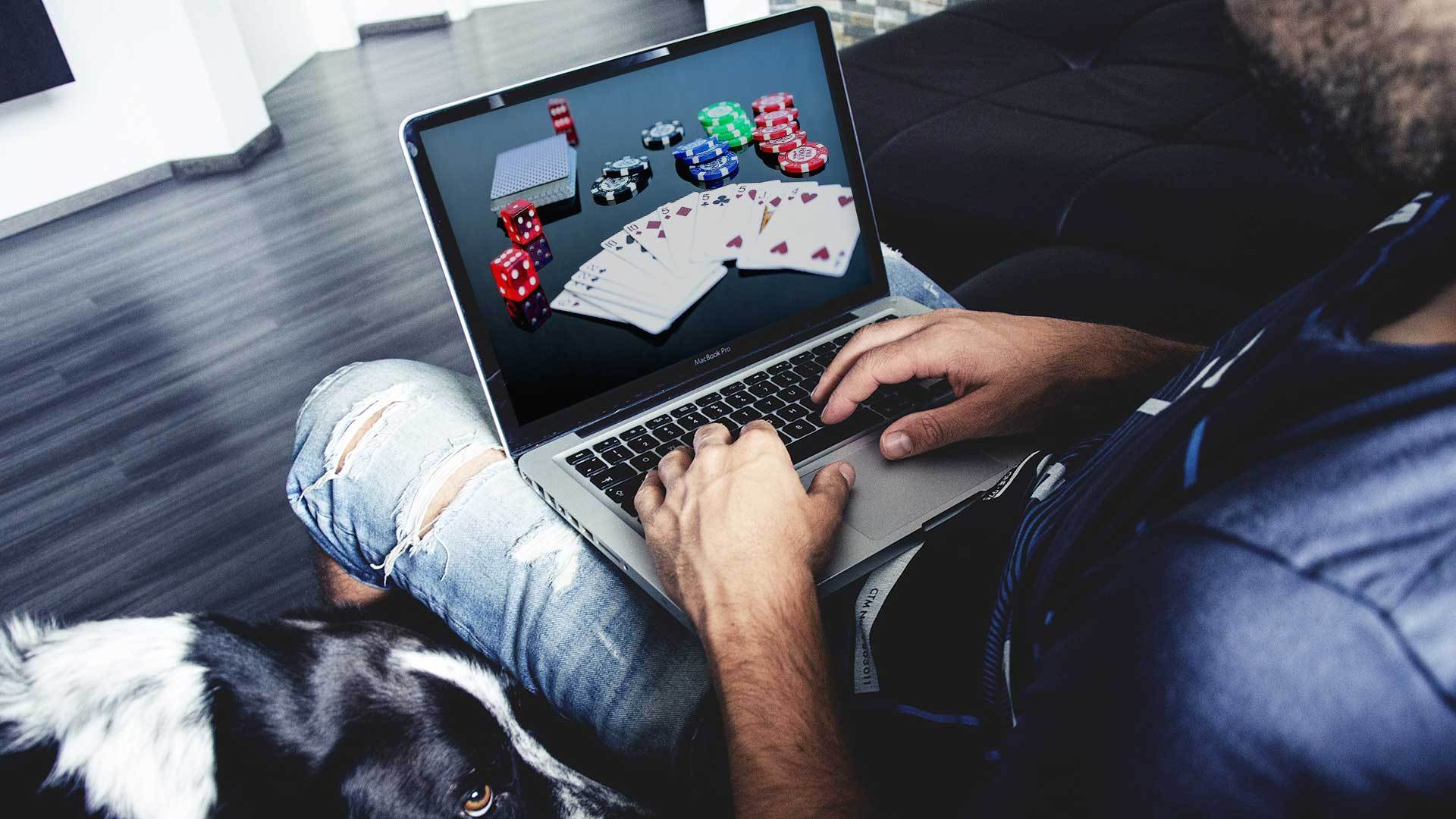
Moreover, a keen understanding of probability can help gamblers manage their expectations. By knowing that winning isn’t guaranteed, they can approach the table or machine with a more pragmatic attitude. This awareness allows them to enjoy the game for its entertainment value rather than solely for its financial potential. It also helps in developing patience, as successful gamblers often know that it’s about playing the long game rather than looking for immediate gratification, which can lead to more sustainable gambling habits.
The Role of Emotion in Gambling
Emotions play a crucial role in the gambling experience, influencing decision-making and behavior. Successful gamblers exhibit emotional intelligence, allowing them to navigate the highs and lows of the gaming experience effectively. They understand that excitement and exhilaration can lead to impulsive choices, which may adversely affect their outcomes. By regulating their emotions, seasoned players can retain focus and make more rational decisions when it counts, ultimately enhancing their overall performance and enjoyment of the game.
In addition to controlling negative emotions like frustration and disappointment, successful gamblers can harness positive emotions to enhance their performance. For instance, feelings of excitement can energize their gameplay and enhance their enjoyment. By channeling these emotions constructively, they can create a more immersive experience, ultimately leading to improved outcomes. Engaging in mindfulness practices can be particularly beneficial in maintaining emotional balance during gameplay, allowing players to remain grounded amid the thrill of the game.
Lastly, successful gamblers often surround themselves with a supportive social network. The camaraderie and shared enthusiasm can provide emotional backing, which serves to alleviate the stresses associated with gambling. Positive interactions with fellow gamblers can reinforce a healthy attitude towards both wins and losses, making the overall experience more enjoyable. This support system also encourages responsible gambling behavior, mitigating the risks of developing unhealthy habits and promoting a balanced approach to the gaming experience.
The Myth of ‘Gambler’s Fallacy’
The ‘gambler’s fallacy’ refers to the mistaken belief that past events affect future outcomes in games of chance. Successful gamblers recognize this common cognitive bias and are careful not to let it cloud their judgment. For instance, if a particular outcome has occurred multiple times in succession, the fallacy might lead someone to believe that the opposite outcome is ‘due’ to happen. Understanding this concept and avoiding the fallacy can prevent poor betting decisions, enabling players to make more rational choices based on evidence rather than superstition.

Moreover, seasoned players often rely on a well-researched strategy rather than falling victim to superstitions or fallacies. They develop their approaches based on factual data and statistical analysis, which allows them to make informed, rational decisions rather than relying on instinct or emotion. By focusing on strategies supported by evidence, they can navigate the unpredictability of gambling more effectively and mitigate the risks associated with emotional decision-making.
Additionally, successful gamblers often share their knowledge about the gambler’s fallacy with others, promoting a more rational approach to the game. This collective understanding benefits not only them but the entire gambling community. By fostering a culture of analytical thinking, these players contribute to a more informed and rational gambling environment, leading to better outcomes for all involved and reducing the prevalence of misconceptions that can lead to poor betting choices.
Your Go-To Resource for Gambling Insights
For those looking to delve deeper into the psychology of successful gambling, your ultimate resource is invaluable. This platform provides a wealth of information, including expert advice, strategies, and insights into the mental aspects of gambling. By tapping into this knowledge, both novice and experienced gamblers can elevate their understanding of the games they enjoy. This resource serves as a comprehensive guide that can enhance their engagement and enjoyment of various gambling activities.
In addition to educational resources, the site features an engaging community where players can share experiences, strategies, and tips. This interactive environment fosters a sense of belonging and support, making it easier for individuals to refine their skills while enjoying the camaraderie of fellow enthusiasts. Engaging in these discussions can lead to valuable insights and perspectives that enhance one’s gambling journey, ultimately improving their overall experience and proficiency in the game.
Ultimately, the key to success in gambling lies not just in luck but in understanding the psychological elements that contribute to favorable outcomes. By leveraging the wealth of information available, players can cultivate a winning mindset and enjoy gambling responsibly. Embracing the psychology behind successful gambling can transform the way one approaches the game, leading to more rewarding experiences on and off the gaming floor, and promoting a healthier relationship with gambling.